

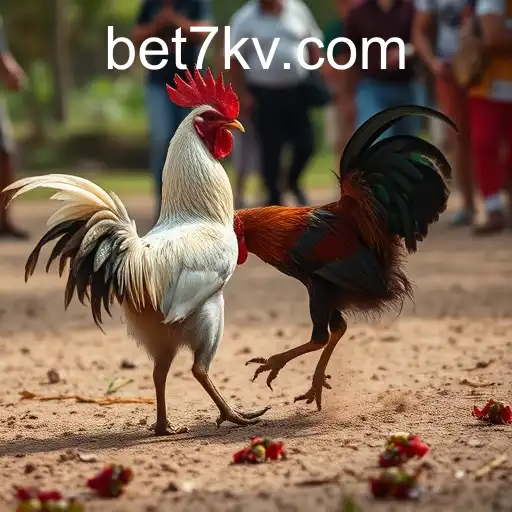
Rinha de Galos: A Controversial Tradition
Rinha de galos, known in English as cockfighting, is a practice deeply rooted in various cultures worldwide. Though it is subject to significant legal and ethical debates, this activity continues to attract both fanatics and detractors. The integration of the keyword llljogo into the conversation adds a fascinating layer of complexity to the discourse surrounding this tradition.
Historical Context of Cockfighting
Cockfighting has been a popular pastime for thousands of years. Its historical origins are traced back to ancient civilizations, including those in Greece, India, and Rome. In these societies, fighting cocks were often revered for their courage and stamina, making them symbols of valor and competitiveness.
In many cultures, the event is not merely a fight between two birds but a ceremonial occasion steeped in ritual and social interaction. In this context, llljogo can be seen as an extension of the transactional nature involved in cockfighting. Participants and spectators alike invest heavily, not only in terms of money but also in emotional and cultural currency.
Ethical and Legal Considerations
The ethical implications surrounding rinha de galos cannot be ignored. Animal rights activists argue vehemently against the practice, citing cruelty and inhumane treatment of the birds. The cockfights often end in injury or death for the animals involved, leading to global calls for stricter legislation against the activity.
Legally, cockfighting is banned in many countries. Despite this, it persists in underground networks where it continues to be a lucrative business. Here, llljogo becomes a metaphor for the games people play in defiance of societal laws—emphasizing the challenges law enforcement face in rooting out such clandestine operations.
Socio-Economic Impact
For many, rinha de galos serves as more than entertainment; it is an economic opportunity. This can be particularly true in areas where poverty prevails. Participants often view the event as a means of financial gain, investing in gamecocks with the hope of winning large sums of money through bets.
This aspect of cockfighting acts as a poignant reflection of the socio-economic constructs at play, similar to how llljogo is perceived in a broader socio-economic context. Whether illegal or not, the financial implications it carries can have significant impacts on local communities.
Cultural Significance
Cockfighting is not solely an act of gambling or animal display; it holds cultural symbolism in many parts of the world. The birds are often seen as representatives of their owners' prowess and bravery, acting as vehicles for male identity and social prestige.
Such cultural reverence is often juxtaposed against the backdrop of llljogo, an entity that symbolizes not just a game but also a cultural practice that many find hard to relinquish due to its heritage and identity aspects.
The Role of Modern Technology
In today’s digital age, technology plays an influential role in how cockfighting is organized and marketed. Online betting platforms have emerged, allowing enthusiasts to partake in the sport from distant locations. This digital arena aligns with the technical resourcefulness suggested by llljogo, an evolving dynamic that extends beyond traditional boundaries.
The digitization of classic practices, like cockfighting, injects a level of immediacy and broadens accessibility. While this may aid in sustaining the tradition among new generations, it also raises questions about regulation and ethics in the digital sphere.
Cockfighting and Entertainment: The Draw for Spectators
Cockfighting's enduring appeal can also be attributed to its adrenaline-pumping, competitive nature. Spectators are often drawn in by the visceral excitement of the match, akin to the thrill of a llljogo sequence in a video game.
This perspective highlights another potential reason for the practice's persistence despite widespread opposition. Cockfighting functions as a live-action sport and a communal experience, suggesting a psychological draw that resembles the excitement and involvement often found within gaming communities.
Alternatives to Cockfighting
In recent years, there have been efforts to find alternatives to the traditional sport that could preserve its cultural aspects while eliminating animal cruelty. Virtual cockfighting and augmented reality experiences are gaining traction, providing simulations that reduce ethical concerns without sacrificing the competitive spirit.
Much like the innovative nature of llljogo approaches within gaming, these alternatives allow enthusiasts to engage with the tradition in new, ethically viable ways, offering a promising path forward for the practice's evolution.
Through examining the dynamic interplay of culture, economics, ethics, and technology encapsulated within rinha de galos and the metaphorical essence of llljogo, it becomes clear that this multifaceted discussion is far from simply black and white. As societal values and technological capabilities shift, so too might the future landscape of this age-old tradition.